
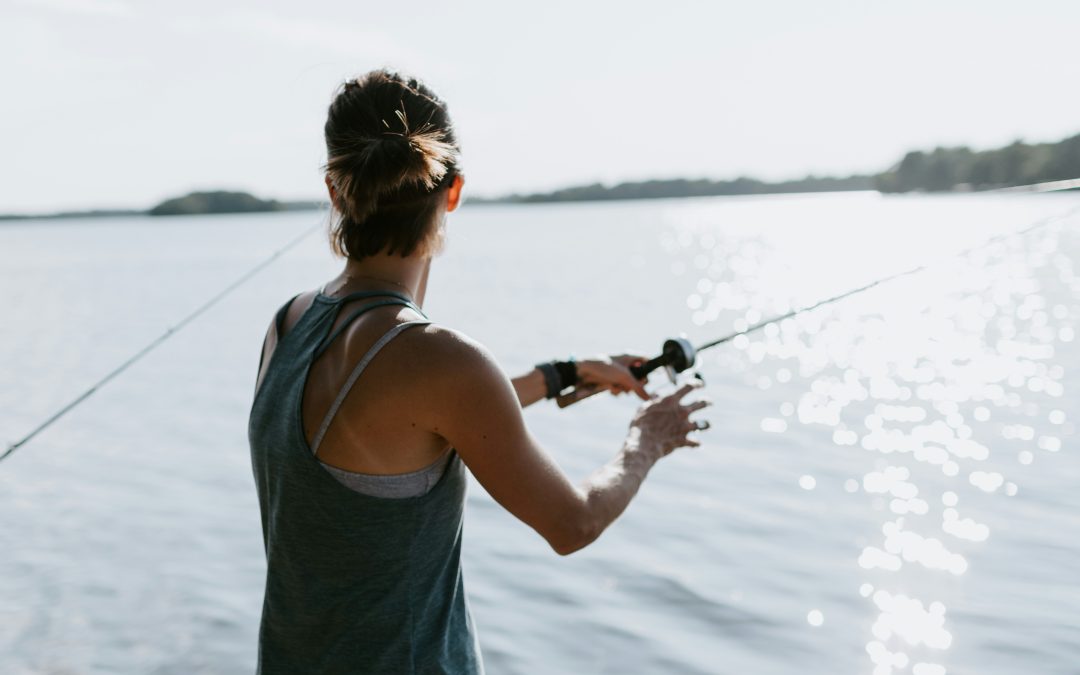
Sport fishing is one of the most rewarding outdoor activities you can experience. It combines the thrill of the chase with the peacefulness of nature. Whether you are standing on the shoreline of a quiet lake, casting from a boat in open water, or wading into a rushing river, sport fishing allows you to connect with the outdoors in a unique way. For beginners, it can feel overwhelming at first with so many rods, reels, lures, knots, and techniques to learn. This guide will break everything down into simple steps so that you can confidently start your fishing journey.
What is Sport Fishing?
Sport fishing, also known as recreational fishing, is fishing done for enjoyment rather than survival or commercial purposes. It is all about the experience, the challenge, and sometimes the competition. Sport fishing can involve catching a wide variety of species in both freshwater and saltwater environments. Unlike commercial fishing, sport fishing is usually done with rod, reel, line, and bait or lures rather than nets.
For many anglers, the joy comes from the entire process: choosing the right spot, setting up the gear, waiting for the bite, and reeling in the fish. Some anglers keep their catch for food, while others practice catch and release to protect fish populations.
The Essential Gear You Need
When starting out, you do not need the most expensive equipment. A simple, well-balanced setup will allow you to learn the basics without frustration.
Rod and Reel
For beginners, a spinning rod and reel is the best choice. They are affordable, easy to use, and versatile. A medium action rod around 6 to 7 feet in length will give you enough flexibility for different types of fishing.
Fishing Line
Start with a monofilament line in the 6 to 12 pound test range. Monofilament is inexpensive, stretches slightly to absorb shock, and is easy to handle. As you gain experience, you may experiment with braided or fluorocarbon lines.
Hooks and Terminal Tackle
Buy a small variety pack of hooks in sizes 6 to 1/0. Add some sinkers, swivels, and bobbers to your tackle box. These items are inexpensive but essential.
Bait and Lures
Live bait such as worms, minnows, or crickets works great for beginners. If you prefer artificial lures, start with a few soft plastic worms, spinners, or crankbaits. These lures are easy to use and attract many common fish species.
Tackle Box and Tools
A small tackle box keeps everything organized. Do not forget pliers for removing hooks and nail clippers or scissors for cutting line.
Safety Gear
Always have a life jacket if you are on the water, sunscreen for protection, and a first aid kit. A hat and polarized sunglasses also help by reducing glare so you can see beneath the water surface.
Choosing a Fishing Spot
Finding the right fishing location can make all the difference. As a beginner, start somewhere simple and accessible.
Freshwater Spots
Lakes, ponds, and rivers are great for beginners. These waters are often home to bass, bluegill, crappie, catfish, and trout, which are relatively easy to catch. Local parks often stock ponds with fish to encourage new anglers.
Saltwater Spots
If you live near the coast, piers, jetties, and beaches are excellent starting points. You can catch species like mackerel, snapper, or flounder without needing a boat.
Research and Regulations
Check local fishing regulations before heading out. Each state has rules about fishing licenses, size limits, and bag limits to protect fish populations. You can find this information on your state’s fish and wildlife website.
Basic Fishing Techniques
There are many fishing techniques, but beginners should focus on mastering the basics.
Casting
Practice casting your line so that it lands gently on the water where fish are likely to be. Start with short, controlled casts and gradually improve your distance and accuracy.
Still Fishing
This is the simplest method. Cast your line, let the bait sink, and wait for a fish to bite. Using a bobber helps you know when a fish is nibbling.
Jigging
This involves moving your rod tip up and down to make the lure look like a moving prey. Jigging works well for fish like crappie or bass.
Trolling
If you are fishing from a boat, trolling means dragging a lure or bait behind the boat while moving slowly. It covers more water and attracts species like trout or salmon.
Understanding Fish Behavior
Fish are influenced by water temperature, weather, and time of day. Knowing their habits will increase your chances of success.
- Morning and evening are usually the best times to fish because fish feed more actively during low light.
- Water temperature affects which species are active. Warm water fish like bass prefer summer, while trout prefer cooler water.
- Weather changes matter. Cloudy days are often good for fishing because fish feel safer from predators and move into shallow water.
Catch and Release Basics
If you plan to release your catch, doing it correctly helps protect fish populations.
1.Use barbless hooks to make removal easier.
2. Handle fish gently with wet hands to avoid damaging their protective slime.
3. Minimize the time fish spend out of water.
4. Release fish headfirst back into the water so they can swim away strongly.
Common Mistakes Beginners Make
It is normal to make mistakes when starting out, but knowing them in advance can save you frustration.
- Using line that is too heavy or too light.
- Casting too often without letting fish find the bait.
- Being too noisy near the water. Fish can be spooked easily.
- Not checking local fishing rules.
- Forgetting essentials like a fishing license or proper safety gear.
Building Your Skills Over Time
Fishing is a skill that improves with practice and patience. The more time you spend on the water, the more you will learn about fish behavior, casting accuracy, and lure selection. Keep a small journal of your trips that includes weather, location, bait used, and what you caught. Over time, patterns will emerge and help you become more successful.
The Social Side of Sport Fishing
Fishing is not only about the catch. It is a great way to bond with friends, family, and other anglers. Many communities have fishing clubs, events, and tournaments where you can learn from others. Fishing trips also create lasting memories and stories worth sharing.
Why Fishing is Good for You
Fishing is a peaceful yet exciting outdoor activity. It reduces stress, gets you outside, and improves patience. The physical act of casting, reeling, and handling gear provides light exercise, while being in nature offers mental health benefits. For many, fishing becomes more than a hobby. It becomes a lifelong passion.
Final Thoughts
Starting out in sport fishing may feel complicated, but it is easier than it seems. All you need is a simple rod and reel, some basic tackle, and the right attitude. Choose an accessible spot, practice your casting, and be patient. Every trip will teach you something new, whether or not you land the biggest catch.
With time and experience, you will gain confidence and expand your skills. Sport fishing opens the door to adventure, relaxation, and a deeper appreciation of the natural world.


