
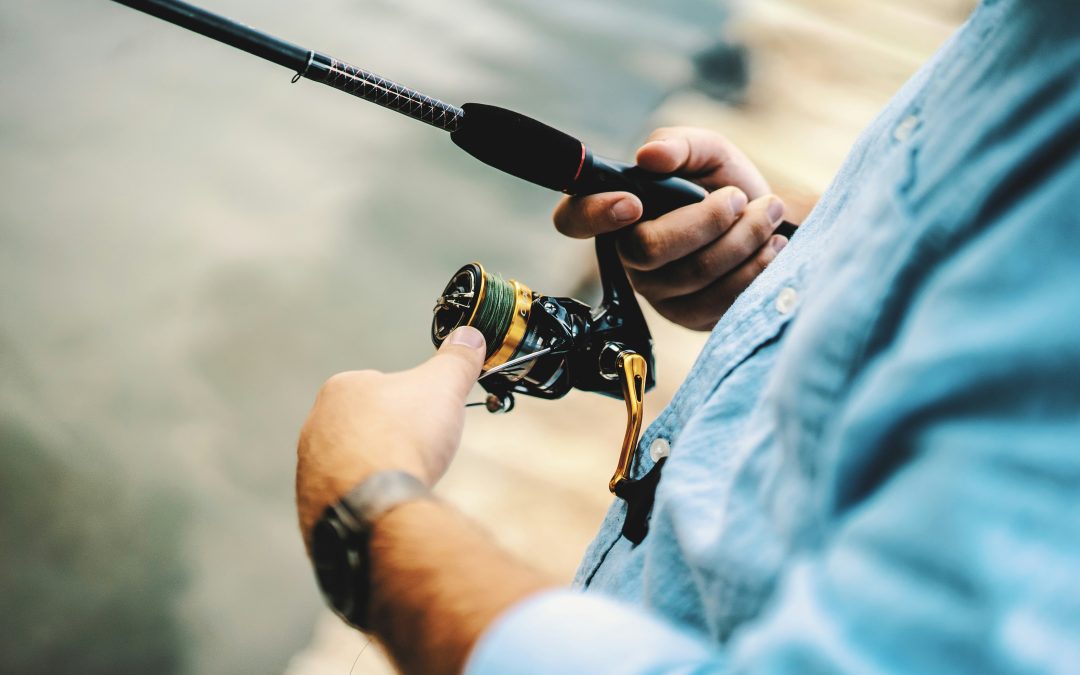
Fishing is an art, a science, and a thrilling escape into nature. Whether you’re a seasoned angler or a beginner looking to cast your first line, the fishing rod and reel combo you choose will significantly impact your success and enjoyment on the water. With countless options on the market, understanding the features and benefits of various rod and reel combinations is essential for a rewarding fishing experience.
Understanding the Basics: Rods and Reels
The Role of the Fishing Rod
The fishing rod serves as the backbone of your angling experience. Its primary function is to cast the bait, absorb the fight of the fish, and help reel it in. Factors such as length, material, power, and action play a crucial role in determining the right rod for your needs.
- Rod Length: Shorter rods (under 6 feet) are ideal for close-quarters fishing, such as under docks or in dense cover. Longer rods (over 7 feet) provide greater casting distance and leverage when fighting larger fish.
- Material: Modern rods are made of graphite, fiberglass, or composites. Graphite rods are lightweight and sensitive, making them perfect for detecting bites. Fiberglass rods are more durable and flexible, suitable for heavy fish. Composite rods combine the benefits of both.
- Power: Power refers to the rod’s strength and resistance to bending. Light power rods are best for small fish, while heavy power rods are suitable for large species like bass or catfish.
- Action: Action describes where the rod bends when pressure is applied. Fast-action rods bend at the tip, offering sensitivity and quick hook sets, while slow-action rods bend throughout the rod, providing more flexibility and cushioning for the fish.
The Role of the Reel
The reel is your control center for casting, line management, and retrieving your catch. Reels are classified into three main types: spinning, baitcasting, and spincast. Each has its strengths and ideal use cases.
- Spinning Reels: Known for their versatility and ease of use, spinning reels are excellent for beginners and suitable for various fishing styles.
- Baitcasting Reels: These reels offer precision and control, making them popular among experienced anglers targeting larger fish.
- Spincast Reels: Spincast reels are user-friendly and have a closed design, making them a great choice for children or novice anglers.
Factors to Consider When Choosing a Combo
- Fishing Environment
The location where you’ll be fishing significantly influences your rod and reel choice. Are you fishing in freshwater lakes, rivers, saltwater bays, or deep sea? Each environment demands specific gear.
- Freshwater Fishing: A medium-light spinning combo works well for smaller freshwater species like trout and panfish.
- Saltwater Fishing: Saltwater fishing requires corrosion-resistant gear. A heavy-duty spinning or baitcasting combo is ideal for larger saltwater species like redfish or snook.
- Fly Fishing: If you’re targeting species like trout in streams, consider a specialized fly rod and reel combo.
- Target Species
The type of fish you’re aiming to catch determines the power and action of your rod and the drag system of your reel.
- Small Fish: Light or ultralight combos for species like crappie or bluegill.
- Medium Fish: Medium power combos for bass, walleye, or redfish.
- Large Fish: Heavy power rods with robust baitcasting reels for pike, musky, or tuna.
- Skill Level
Your experience as an angler can guide your decision. Beginners may prefer the simplicity of a spinning or spincast combo, while seasoned anglers often gravitate toward baitcasting setups for their precision and power.
- Budget
Fishing gear comes in a wide price range. While premium combos offer advanced features, many budget-friendly options provide excellent performance for casual anglers.
Matching Rod and Reel Combos to Fishing Styles
- Casting Combos
Perfect for precise placement of your bait, casting combos pair well with baitcasting reels. They’re ideal for techniques like flipping and pitching in freshwater or surfcasting in saltwater.
- Spinning Combos
Versatile and beginner-friendly, spinning combos excel in finesse techniques such as drop-shotting or jigging. They are also suitable for long casts with lightweight lures.
- Fly Fishing Combos
Designed for delicate presentations, fly fishing combos are specialized for casting lightweight flies and are matched to specific line weights.
- Trolling Combos
Built for dragging lures or bait behind a moving boat, trolling combos feature sturdy rods and high-capacity reels.
Tips for Selecting the Perfect Combo
- Test for Comfort: Visit a local tackle shop and handle the rod and reel. Ensure they feel balanced and comfortable in your hands.
- Check for Compatibility: Ensure the rod and reel are compatible in terms of power and line capacity.
- Consider the Line Type: Match the combo with the appropriate fishing line, whether monofilament, fluorocarbon, or braided, depending on your fishing style.
- Research Reviews: Read reviews and recommendations from other anglers to understand the combo’s performance and reliability.
Maintenance Tips for Longevity
Once you’ve selected your perfect fishing rod and reel combo, maintaining it properly is crucial.
- Rinse After Use: Always rinse your gear with freshwater after saltwater fishing to prevent corrosion.
- Clean Regularly: Wipe down the rod and reel, and periodically disassemble and clean the reel components.
- Store Properly: Store your gear in a cool, dry place, and use rod sleeves and reel covers for added protection.
Conclusion
Choosing the perfect fishing rod and reel combo is both an art and a science. By understanding your fishing environment, target species, and personal preferences, you can find a combo that enhances your angling adventures. Remember, the best gear is the one that feels right for you and helps you connect with the water and the thrill of the catch.
So, gear up and get ready for your next fishing expedition. With the right rod and reel combo in hand, you’re set to create memories and master the waters like never before. Tight lines!


