
Introduction
Over the past few decades, sport fishing has undergone a major cultural shift. What was once largely focused on filling coolers with trophy catches has transformed into a movement centered on conservation, respect for aquatic ecosystems, and ensuring healthy fish populations for future generations. At the heart of this shift is catch and release fishing practice where anglers return their catch back into the water alive, minimizing harm and maximizing sustainability.
But catch and release isn’t just a trend. It’s become a worldwide standard for responsible anglers, tournaments, and even fisheries management. This blog explores the rise of catch and release fishing, its history, benefits, techniques, controversies, and its role in shaping the future of sport fishing.
1. Why Catch and Release is Trending
Catch and release has moved from being a niche practice to the mainstream, driven by several cultural and environmental factors.
- Environmental Awareness: More people understand the fragile balance of ecosystems. With overfishing threatening species worldwide, anglers see themselves as stewards of the waters.
- Sustainability: Releasing fish ensures populations remain strong for future generations, maintaining sport fishing as a viable pastime.
- Social Media Influence: With platforms like Instagram and TikTok, many anglers showcase their catches through photos or videos, then release the fish—celebrating the thrill of the fight without depleting resources.
- Regulation Changes: Many states and tournaments now require catch and release for certain species, making it a standard practice in competitive fishing.
2. A Brief History of Catch and Release
While today it feels like a modern concept, catch and release dates back much further than most realize.
- 19th Century Origins: Fly fishers in the U.K. practiced catch and release to preserve trout populations in heavily fished rivers.
- North American Adoption: By the mid-20th century, U.S. conservationists began advocating the practice as fish stocks declined.
- Modern Boom: In the 1970s and 1980s, organizations like Trout Unlimited and Bass Anglers Sportsman Society (B.A.S.S.) popularized it, turning it into a conservation ethic.
Today, it’s a cornerstone of sport fishing culture, embraced worldwide.
3. The Science Behind It
Catch and release is more than a feel-good practice—it has measurable impacts on fish survival and population health.
- Survival Rates: Studies show that survival rates can exceed 85–90% when fish are handled properly.
- Species Differences: Some species, like bass and trout, tolerate release well, while others (like muskie or deep-water species) require extra care.
- Physiological Stress: Handling time, air exposure, and hook type directly impact fish survival.
- Reproductive Benefits: Releasing large, mature fish ensures they continue to contribute to the gene pool, which is vital for maintaining strong populations.
Science confirms that catch and release, when done correctly, is one of the most effective conservation tools anglers have.
4. Techniques for Successful Catch and Release
Not all catch and release is equal. Poor handling can lead to delayed mortality, even if the fish swims away initially. Here are key practices every angler should follow:
1. Use the Right Hooks
- Barbless hooks or circle hooks minimize injury.
- Circle hooks reduce gut-hooking, especially in saltwater fishing.
2. Minimize Handling
- Wet your hands before touching the fish to protect its slime coat.
- Avoid squeezing the fish or holding it vertically by the jaw.
3. Keep Fish in the Water
- If photos are necessary, have the camera ready and lift the fish for only a few seconds.
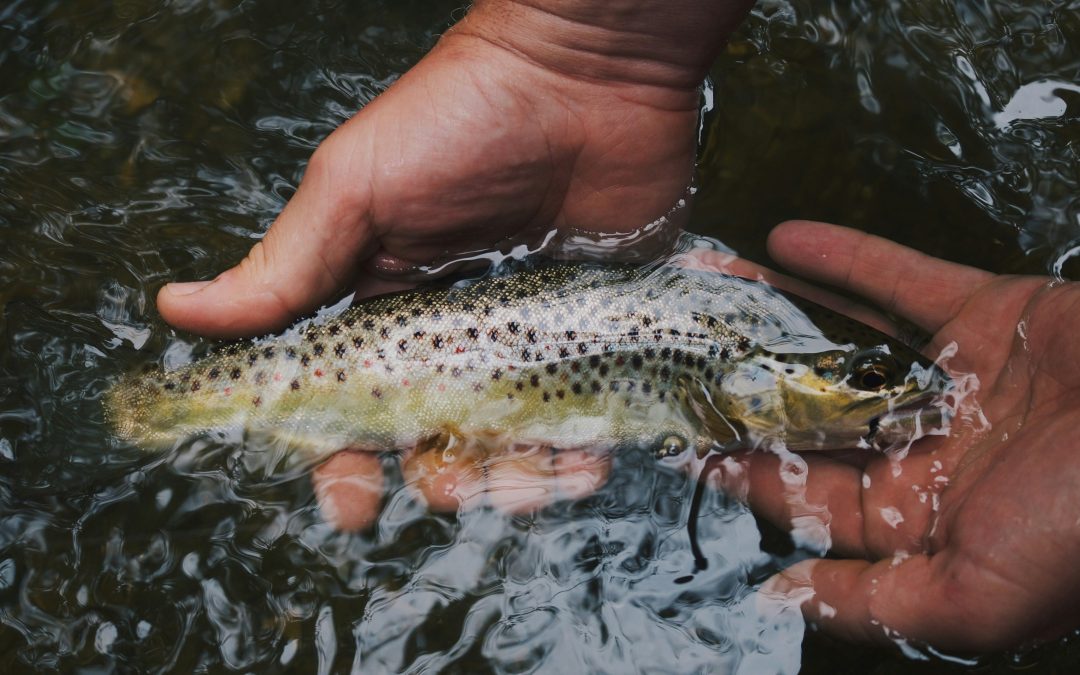
- Better yet, photograph the fish partially submerged.
4. Quick Release
- Use pliers or de-hooking tools to minimize time out of water.
- Revive fish by holding them gently in the current until they swim away on their own.
5. Avoid High-Risk Conditions
- During extreme heat or low oxygen conditions, fish are more vulnerable.
- Deep-water fish may need descending devices to survive release.
5. Gear that Helps Conservation
The right tools make catch and release more effective and ethical.
- Rubber Landing Nets: Softer on fish than nylon mesh, which can damage scales and fins.
- De-hookers and Pliers: Allow quick hook removal.
- Gloves: Specialized fish-handling gloves provide grip without harming slime layers.
- Barbless Hooks: Easy removal, less tissue damage.
- Biodegradable Lures: Reduce long-term waste in water systems.
Using conservation-friendly gear is becoming a point of pride among anglers.
6. Criticism & Debate
Not everyone agrees on catch and release, and the practice comes with some controversy.
- Ethical Concerns: Critics argue that catching fish for sport, only to release them, causes unnecessary stress and suffering.
- Delayed Mortality: Even with best practices, some fish die after release, raising questions about whether it’s always effective.
- Regulation Conflicts: Some areas encourage harvest of invasive species (like lionfish or snakehead), meaning catch and release can be counterproductive.
Still, most conservation experts agree that when applied correctly, catch and release is far better than overharvesting, and the practice is here to stay.
7. The Role of Catch and Release in Tournaments
Fishing tournaments, once notorious for high fish mortality, now champion catch and release.
- Live Release Formats: Many bass tournaments use live wells to keep fish alive until weigh-in, then return them to the water.
- Digital Tournaments: Increasingly, anglers measure and photograph fish on the water before immediate release, reducing stress and mortality.
- Scoring Systems: Length-based scoring, rather than weight-based, encourages quick releases.
This shift has greatly improved tournament sustainability and reduced backlash from conservation groups.
8. Education for Beginners
For new anglers, catch and release can feel intimidating, but education is spreading fast.
- Fishing Clubs & Guides: Many clubs now teach ethical release as part of beginner training.
- State Regulations: Licensing agencies include best-practice guides in fishing permits.
- Online Resources: Videos and blogs (like this one) make it easy to learn proper techniques.
The more beginners adopt catch and release from the start, the more ingrained it becomes in the fishing culture.
9. The Future of Catch and Release Fishing
Looking forward, catch and release is likely to expand in both scope and effectiveness.
- Improved Gear: More eco-friendly hooks, nets, and lures will emerge.
- Technology: Apps and digital tournaments will make catch documentation seamless.
- Regulations: Stricter requirements for catch and release in certain fisheries.
- Public Awareness: With conservation at the forefront, younger generations will embrace the practice even more.
Ultimately, the future of sport fishing will be a balance of tradition and responsibility, with catch and release at its core.
Conclusion
The rise of catch and release fishing reflects a profound change in the way anglers view their sport. No longer just about the thrill of the catch, it’s about protecting waterways, preserving species, and passing on healthy fisheries to future generations.
By adopting best practices, using proper gear, handling fish carefully, and embracing conservation ethics, anglers can ensure that sport fishing remains not just a hobby, but a sustainable way of life. The next time you reel in that trophy bass, trout, or tarpon, remember: the real victory is not just landing the fish, but releasing it to fight another day.


